How to Make Money With a Cargo Van in 2026

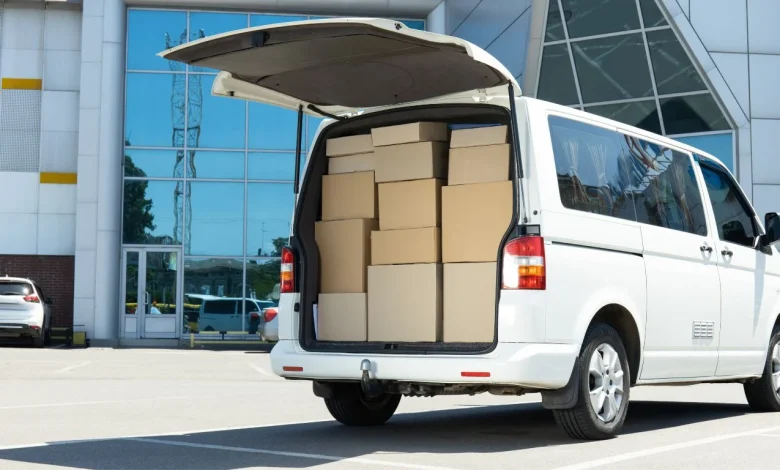
If you own a cargo van, you can use it to explore several income opportunities, including local deliveries, furniture transportation, business-to-business courier services, and small moving jobs. You can work through delivery platforms, find customers directly, or build relationships with businesses that need regular transportation.
The key is to understand your costs before accepting work. Fuel, maintenance, commercial insurance, vehicle depreciation, and unpaid driving time can significantly reduce the money you keep. A profitable cargo van business depends on finding suitable jobs, pricing them correctly, and managing expenses carefully.
Key Takeaways
- Cargo van owners can explore delivery apps, local courier work, furniture delivery, construction supply transportation, and small moving services.
- Direct business contracts may help you develop repeat customers instead of depending entirely on delivery platforms.
- Calculate profit after operating expenses rather than judging a job by its advertised payment.
- Confirm vehicle eligibility, insurance coverage, and applicable transportation regulations before accepting commercial work.
- Track business mileage, income, and expenses to evaluate profitability and prepare your taxes.
Financial Disclaimer: This article is for general informational and educational purposes only and does not constitute personalized financial advice. Any income, savings, or timeline figures mentioned are estimates or examples only — your results will depend on your individual effort, circumstances, market conditions, and factors outside our control, and are not guaranteed. Consult a licensed financial advisor before making significant financial decisions.
Make Money With Cargo Van Delivery Apps
Delivery platforms can connect cargo van owners with customers who need packages, furniture, supplies, and other items transported. These services can be useful when you want to explore delivery work without finding every customer yourself.
However, availability, vehicle requirements, payment structures, and insurance arrangements differ by platform and location. Registration does not guarantee that you will receive enough profitable jobs.
GoShare
GoShare connects customers with delivery professionals who transport furniture, appliances, bulky items, and other goods.
Its driver program includes opportunities for qualifying cargo vans and other suitable vehicles.
Before applying, check the current vehicle requirements, background-check process, service area, and insurance conditions.
What to consider: Some jobs involve loading and unloading rather than driving alone. Account for the time spent collecting items, carrying them, waiting at pickup locations, and returning to an area where additional work is available.
Roadie and RoadieXD
Roadie is a delivery marketplace connecting drivers with delivery opportunities. Its RoadieXD program serves qualifying larger vehicles, including cargo vans, Sprinter vans, and box trucks.
Depending on the market, opportunities may include scheduled pickups, warehouse deliveries, and routes involving multiple stops.
What to consider: Review the complete route, delivery requirements, and payment before accepting a job. Check current eligibility rules and availability in your area.
Curri
Curri provides delivery logistics for businesses, including companies that distribute construction materials, electrical supplies, plumbing equipment, and other commercial goods.
This option may suit cargo van owners who want to transport supplies for contractors and distributors.
What to consider: Confirm the cargo’s dimensions and weight, the pickup and delivery schedule, and the arrangements for loading and securing the materials.
How to Choose a Delivery Platform
Before signing up, compare platforms using the following questions:
- Does the service operate in your area?
- Does your particular van qualify?
- Are suitable deliveries available during your preferred working hours?
- Does the payment justify the total mileage and time?
- What insurance requirements apply?
- Are there additional requirements for scheduled routes or bulky items?
- How are payments calculated and distributed?
Do not assume that the platform advertising the largest payment will produce the highest profit. A lower-paying job with fewer miles and less waiting time may provide a better return for your time.
Editorial disclosure: Confirm whether any platform links have an affiliate relationship and add an appropriate disclosure wherever required.
Offer Local Delivery Services to Businesses
Working directly with businesses can provide an alternative to relying entirely on delivery apps.
Retailers, wholesalers, contractors, and small manufacturers may need goods transported between warehouses, stores, suppliers, job sites, and customers. A cargo van can be useful when a regular passenger vehicle is too small but a larger truck is unnecessary.
Potential customers include:
- Furniture stores and independent furniture sellers.
- Appliance retailers.
- Office furniture suppliers.
- Auto parts distributors.
- Plumbing and electrical supply businesses.
- Printing companies.
- Event rental businesses.
- Local wholesalers.
- Small manufacturers.
Your goal is to identify businesses that need reliable delivery support and determine whether your vehicle and schedule match their requirements.
How to Find Your First Customers
Start by researching businesses within a reasonable driving distance.
Prepare a brief description of your service that explains your delivery area, vehicle dimensions, payload capacity, availability, and contact information.
Then contact businesses that already deliver products but sometimes need additional capacity.
For example, a furniture retailer might need another vehicle when its regular delivery team is fully booked. A supplier might need someone to collect an urgent order and transport it to a contractor.
Before providing a quote, ask about:
- Pickup and delivery locations.
- Expected mileage and delivery windows.
- Item dimensions and weight.
- Loading and unloading responsibilities.
- Waiting time.
- Proof-of-delivery requirements.
- Payment terms and cancellation policies.
These details help you estimate the true cost of the job and avoid accepting work that pays too little for the time involved.
Why Repeat Customers Matter
A one-time delivery may generate revenue, but finding the next customer requires additional work.
Repeat customers can reduce the time spent searching for jobs and make it easier to plan your schedule. This can be especially useful if you operate the van around another job.
However, avoid depending entirely on one customer. Continue building relationships with other businesses so that losing a contract does not immediately undermine your income.
Deliver Furniture and Appliances
Furniture and appliance delivery can be suitable for cargo vans with sufficient interior space, payload capacity, and appropriate cargo-securing equipment.
Possible jobs include transporting furniture purchased from local sellers, delivering orders for retailers, and moving items between homes and storage facilities.
Some customers also need transportation for used furniture purchased through local marketplaces.
Equipment You May Need
Depending on the work, useful equipment may include:
- Ratchet straps or other appropriate cargo restraints.
- Moving blankets.
- A suitable hand truck or dolly.
- Protective gloves.
- Floor and corner protection.
- A measuring tape.
- Appropriate loading and safety equipment.
Always check your van’s payload rating and cargo dimensions. Account for passengers and equipment, and never exceed the vehicle’s limits.
You should also establish whether the customer expects transportation only or additional services, such as carrying items upstairs, placing furniture inside a property, or installing appliances.
These services involve different responsibilities and may create additional risks.
Set Clear Service Boundaries
Before accepting a furniture delivery, explain what the quoted price includes.
Clarify whether you will carry items inside the property, whether the customer must provide assistance, and whether stairs or elevators are involved.
If you plan to offer moving or installation services, check the licensing, insurance, and consumer-protection requirements that apply in your state.
Photographing items before pickup and obtaining delivery confirmation can also help resolve disputes about damage or the condition of the goods.
Deliver Construction Materials and Trade Supplies
Contractors and construction suppliers sometimes need materials transported between warehouses, suppliers, and job sites.
A cargo van may be appropriate for smaller orders that do not require a full-size truck.
Potential deliveries include electrical fixtures, plumbing components, tools, boxed supplies, and certain building materials.
This business model may be worth investigating if your area has active construction, renovation, and commercial maintenance businesses.
How to Find Construction Delivery Work
Contact local distributors and ask whether they use outside delivery providers for urgent orders, overflow work, or scheduled routes.
You can also approach independent contractors who occasionally need materials collected from suppliers.
Before accepting a job, confirm that the cargo fits your vehicle. Long pipes, bulky fixtures, and heavy materials may exceed your van’s dimensions or payload capacity.
Do not accept a delivery simply because its payment looks attractive. Check the complete route, loading arrangements, time requirements, and return journey.
The Value of Reliable Service
Construction and maintenance businesses may need deliveries repeatedly as projects progress.
If you provide dependable service, a customer may contact you again rather than searching for another driver.
However, timing can be critical. A delayed delivery may interrupt work at a job site, so accurate delivery estimates and prompt communication are essential.
Offer Small-Move and Storage Transportation
A cargo van can also be used for selected moving jobs.
Examples include transporting boxes to a storage facility, moving smaller furniture items, helping students relocate, and moving belongings between nearby properties.
This option may suit customers who do not need a large moving truck.
What to Check Before Accepting a Moving Job
Ask the customer for an itemized list of belongings. Photographs can help you determine whether everything will fit and whether additional equipment or assistance is necessary.
Clarify:
- Whether stairs or elevators are involved.
- Whether parking is available near the entrance.
- Whether the customer will help with loading.
- Whether the job includes multiple stops.
- Whether items require special handling.
- Whether the quoted price includes waiting time.
A job that initially appears straightforward can become unprofitable if loading takes longer than expected or access to the property is difficult.
Check state and local requirements before advertising household-goods moving services. Some jurisdictions impose rules that differ from those governing ordinary courier deliveries.
Build a Recurring Courier Route
If you want to develop a more consistent business, recurring routes may be worth pursuing instead of relying exclusively on individual jobs.
Potential customers include print shops, wholesalers, commercial suppliers, medical offices, and businesses that regularly exchange documents, supplies, or equipment.
Some specialized deliveries require training, temperature controls, chain-of-custody procedures, or additional safeguards. A standard cargo van and ordinary delivery experience are not sufficient for every type of cargo.
How to Find Recurring Routes
Start by identifying businesses with predictable transportation needs.
Ask whether they need scheduled pickups, regular transfers between locations, or backup delivery capacity when their usual provider is unavailable.
Next, calculate the complete operating cost of the proposed route.
Include mileage between stops, travel to the first pickup, the return journey, fuel, maintenance, insurance, and waiting time.
If the customer offers a fixed payment, make sure the price remains reasonable when traffic increases or deliveries take longer than expected.
The objective is not to spend every available hour driving. It is to build a schedule in which the work generates enough revenue to cover operating costs and compensate you for your time.
How Much Can You Actually Earn With a Cargo Van?
There is no single reliable income figure for every cargo van owner.
Your results depend on local demand, vehicle costs, job availability, distance traveled, pricing, experience, and whether you work as an employee or an independent operator.
Employee wages can provide useful context, but they should not be confused with the earnings of a self-employed van owner.
According to the U.S. Bureau of Labor Statistics, the median annual wage for light truck drivers was $44,860 in May 2025. This is an employee wage benchmark, not a forecast of cargo van business revenue or owner profit. Self-employed operators must account for their own vehicle and business expenses.
Source: Bureau of Labor Statistics: Delivery Truck Drivers and Driver/Sales Workers.
Calculate Profit Instead of Focusing on Revenue
Consider this illustrative example of a delivery route.
| Item | Illustrative amount |
|---|---|
| Payment for the delivery route | $180 |
| Total business mileage, including the return trip | 100 miles |
| Fuel, maintenance, and other operating costs | $0.45 per mile |
| Parking and tolls | $8 |
| Total time, including waiting and loading | 4 hours |
These figures are hypothetical planning assumptions, not market averages or typical earnings. (Results vary — this is not a typical or guaranteed outcome.)
First, calculate the mileage-related operating costs:
100 miles × $0.45 = $45.
Next, add parking and tolls:
$45 + $8 = $53 in total operating costs.
Subtract those costs from the payment:
$180 − $53 = $127 remaining before income taxes and expenses not included in the example. (Results vary — this is not a typical or guaranteed outcome.)
Now calculate the return for your time:
$127 ÷ 4 hours = $31.75 per hour before excluded expenses and taxes. (Results vary — this is not a typical or guaranteed outcome.)
This calculation is more useful than the original payment because it accounts for mileage-related expenses and the time spent completing the job.
However, the example is not a complete business profit calculation if vehicle depreciation, financing, insurance, or other applicable expenses have not been included.
If actual operating costs are higher, the route becomes less attractive. If loading takes longer or the return journey is longer than expected, the effective hourly return falls.
Use this method to evaluate real delivery offers before committing to a schedule.
Understand Your Cargo Van’s Operating Costs
A cargo van business can generate revenue while still losing money.
One of the most common mistakes is treating every payment from a customer as personal income.
Before accepting work, identify the expenses that affect each job.
Fuel
Fuel costs depend on your van’s efficiency, fuel prices, traffic, route length, and driving conditions.
Calculate the expected fuel cost for the entire journey rather than just the distance between pickup and delivery.
If you must return without cargo, that distance still consumes fuel and contributes to vehicle wear.
Maintenance and Repairs
Commercial use can increase wear on tires, brakes, suspension components, and other parts.
Budget for routine maintenance and unexpected repairs. A breakdown can also create lost working time and missed delivery commitments.
Insurance
Personal auto insurance may not cover every commercial delivery activity.
Contact your insurer before accepting paid work and explain how you intend to use the vehicle. Ask about commercial auto coverage, cargo coverage, liability protection, and any exclusions that may apply.
Requirements vary by service type, customer, platform, and jurisdiction.
Depreciation and Financing
Additional business mileage can contribute to vehicle wear and depreciation.
If you are financing the van, consider the loan payment, interest, and the consequences of relying on delivery income to cover a fixed monthly obligation.
A van that is paid off may have lower cash-flow requirements, but it is not free to operate.
Unpaid Time
Waiting for customers, driving to pickup locations, returning to your service area, and searching for the next job all consume time.
Track these activities so that you do not overestimate your effective hourly earnings.
A Practical Job-Acceptance Checklist
Before accepting a delivery, estimate:
- The payment you will receive.
- The total mileage, including travel to pickup and the return journey.
- Fuel and other mileage-related expenses.
- Parking, tolls, and job-specific costs.
- The time required for driving, loading, waiting, and unloading.
- Any additional labor, equipment, or insurance-related costs.
- Whether the job leaves you positioned for another profitable delivery.
Accept work based on the economics of the entire job, not the advertised payment alone.
Understand Cargo Van Taxes and Mileage Deductions
Independent cargo van operators should maintain accurate records of business income and expenses.
The IRS generally requires self-employed individuals with net earnings from self-employment of $400 or more to calculate and pay self-employment tax, subject to applicable rules.
Self-employment tax covers Social Security and Medicare taxes. Your overall tax liability may also include federal income tax and applicable state or local taxes.
See the IRS guide to self-employment tax.
The 2026 Business Mileage Rate
The IRS revised the optional standard mileage rate for business use to 76 cents per mile for travel from July 1 through December 31, 2026. The rate of 72.5 cents per mile applies to the first half of the year.
This rate is a tax-deduction calculation, not a payment you automatically receive for every mile driven.
For example, 1,000 eligible business miles driven during the second half of 2026 would produce the following mileage-based deduction calculation:
1,000 × $0.76 = $760.
This is an illustrative deduction calculation, not a $760 tax refund or guaranteed tax saving. The actual tax benefit depends on your circumstances and eligibility.
Consult the IRS standard mileage-rate guidance before filing.
Standard Mileage Versus Actual Expenses
Depending on the applicable rules and your circumstances, you may be able to use the standard mileage method or calculate eligible actual vehicle expenses.
Actual expenses can include qualifying fuel, repairs, insurance, registration, and other operating costs.
The two methods have different requirements. Understand the rules before selecting a method, particularly if you use the van for both personal and business purposes.
The IRS explains these options in Publication 334, Tax Guide for Small Business.
Keep a mileage log, receipts, invoices, platform payment records, and business expense records. Accurate documentation makes it easier to evaluate profitability and support your tax reporting.
How to Start a Cargo Van Business Without Taking Unnecessary Risks
You do not need to commit to a full-time business before understanding local demand.
A measured approach can help you determine whether the opportunity deserves more of your money and time.
Step 1: Evaluate the Vehicle You Already Have
Check the van’s condition, cargo dimensions, payload capacity, maintenance needs, and suitability for your intended work.
If the vehicle needs significant repairs, include those costs in your decision.
Step 2: Research Local Opportunities
Review delivery platforms, contact local businesses, and identify the types of goods transported in your area.
Look for evidence of actual demand rather than relying on promotional claims about what other drivers earn.
Step 3: Confirm Insurance and Regulatory Requirements
Contact your insurer and check the applicable state, local, and federal requirements.
Requirements can differ between ordinary local deliveries, interstate commercial transportation, regulated moving services, and specialized delivery work.
Step 4: Establish a Minimum Acceptable Return
Determine how much a job needs to contribute after operating costs.
Include the value of your time. A delivery that generates positive cash flow may still be unattractive if it pays less than a reasonable alternative use of your working hours.
Step 5: Test the Business Before Expanding
Start with a manageable number of jobs.
Track revenue, mileage, time, operating expenses, and customer feedback. Review the results before buying equipment, hiring workers, or financing another vehicle.
Step 6: Develop Repeat Business
Once you understand which jobs are profitable, concentrate on customers and routes that fit your capabilities.
Professional communication, punctuality, accurate delivery records, and clear pricing can help you build a reputation.
Step 7: Keep Business and Personal Finances Organized
Maintain accurate records, separate business and personal transactions where practical, and reserve money for taxes and vehicle maintenance.
Review your results regularly rather than judging the business by a single busy week.
Common Cargo Van Business Mistakes to Avoid
Several mistakes can undermine an otherwise promising delivery business.
Buying a van before confirming demand. A new vehicle creates financial obligations before you know whether suitable jobs are available.
Accepting every delivery. A long-distance job may generate substantial gross revenue but become unattractive after mileage, waiting time, and the return trip.
Ignoring insurance exclusions. A delivery contract is not useful if your coverage does not protect you against the relevant risks.
Depending entirely on one platform. Eligibility rules, demand, and job availability can change. Consider developing alternative sources of work.
Confusing revenue with profit. Customer payments are not the same as money available for personal spending.
Failing to keep records. Without accurate mileage and expense records, you cannot reliably compare jobs or substantiate eligible deductions.
Expanding too quickly. Hiring drivers, financing additional vehicles, or signing expensive commitments before validating demand can magnify losses.
Overlooking physical demands. Some deliveries require lifting, awkward positioning, stairs, or repeated loading. Confirm what the customer expects and whether the job is suitable for you and your equipment.
Can a Cargo Van Help You Achieve Financial Freedom?
A cargo van can be a tool for earning additional income, but its value depends on what remains after expenses.
If your goal is to improve your financial position, first determine whether the business consistently produces a positive return.
Then decide how that money fits into your broader financial plan.
Additional cash flow might help you build an emergency fund, pay down high-interest debt, or contribute to long-term savings. The appropriate priority depends on your existing obligations, available savings, and financial goals.
Read WealthRadaar’s personal finance strategies for financial freedom for additional guidance on budgeting, saving, and managing debt.
You should also distinguish between income earned through work and passive income. A cargo van delivery business generally requires time, vehicle maintenance, customer service, and ongoing operational work. It is not passive income simply because you can choose your schedule.
If you eventually hire drivers or establish recurring contracts, the business may become less dependent on your personal driving time. However, management, payroll, insurance, maintenance, and customer obligations still require attention.
The more useful question is not whether a cargo van can generate revenue. It is whether you can build a reliable operation that compensates you adequately for your time and capital without creating financial obligations you cannot comfortably support.
Frequently Asked Questions
The most suitable option depends on your location, vehicle, available time, and experience. Delivery platforms can help you explore local demand, while direct business contracts may offer opportunities to develop repeat customers. Compare the complete costs and time requirements of each option before choosing.
Yes. You can investigate delivery apps, local courier services, furniture transportation, and other suitable work using a qualifying van you already own. Before accepting jobs, confirm vehicle eligibility, insurance coverage, and applicable regulations. Profitability depends on demand, operating costs, and the rates you can negotiate.
The coverage you need depends on the type of delivery, applicable laws, customer contracts, and platform requirements. Personal auto insurance may exclude certain commercial activities. Contact your insurer and explain the work you intend to perform before accepting paid deliveries.
Subtract the job’s operating costs from its payment. Include total mileage, fuel, maintenance, parking, tolls, insurance-related costs, equipment, and other applicable expenses. Then divide the amount remaining by the total time required to complete the job. Also account for vehicle depreciation, taxes, and any expenses not included in your initial calculation.
Eligible self-employed individuals may be able to use the IRS standard mileage method or an applicable actual-expense method, subject to the relevant rules. Keep accurate mileage records and receipts, and review current IRS guidance or consult a qualified tax professional before filing.
Final Thoughts
Making money with a cargo van is possible, but owning a suitable vehicle is only the starting point.
The strongest approach is to identify real local demand, choose a business model that matches your capabilities, understand your operating costs, and evaluate each job using complete mileage and time estimates.
Start small, keep accurate records, and avoid major financial commitments until the numbers support expansion.
A cargo van can become a useful business asset when the work it generates consistently justifies the costs. The objective is to build a business that improves your finances rather than simply keeping a vehicle on the road.